


Inpatient Services
Best Hospital in Banashankari, Bangalore – KG Hospital
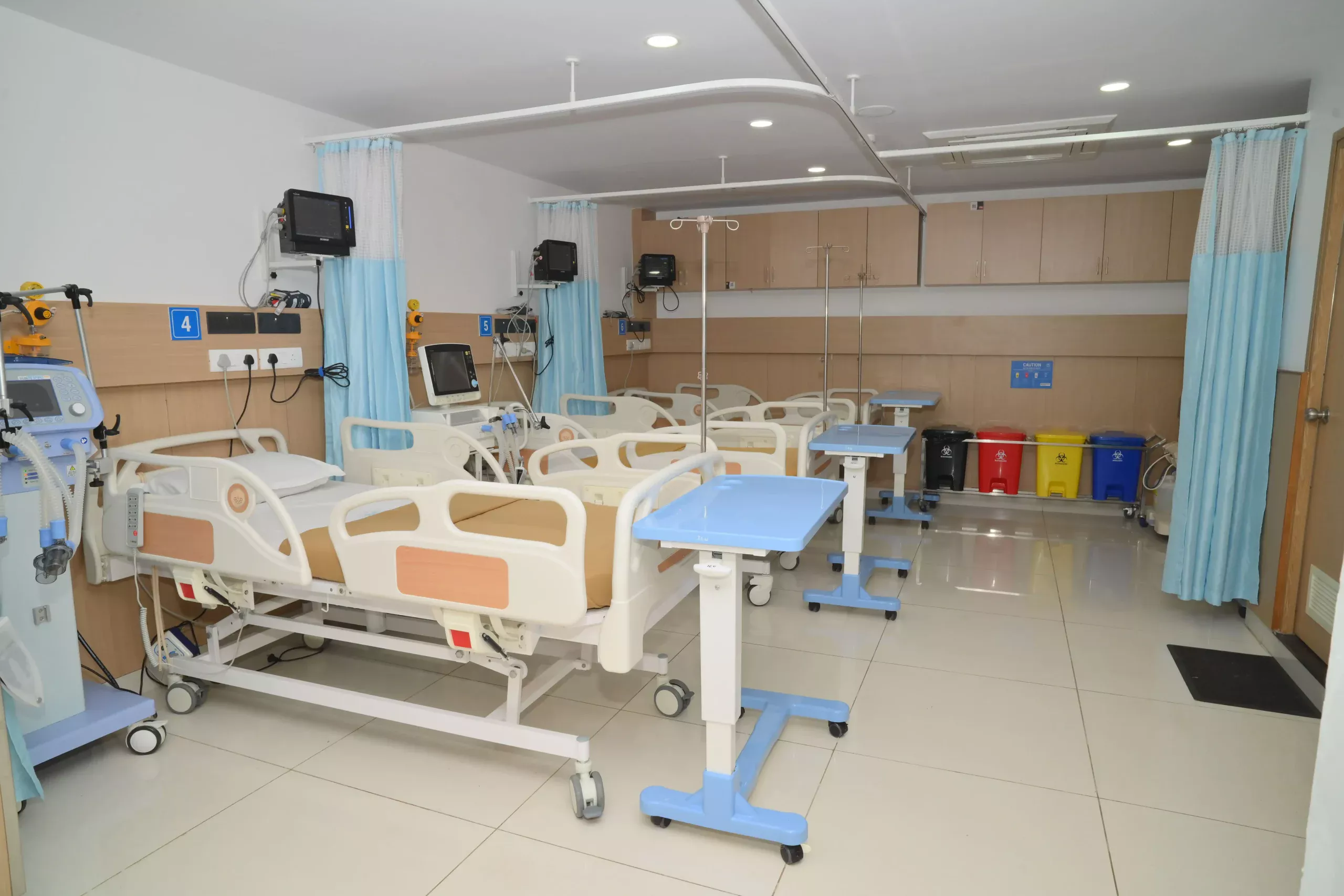
Inpatient Department (I.P.D.)
The Inpatient Department (I.P.D.) plays a vital role in delivering comprehensive hospital care for patients who require constant medical attention. Whether admitted for surgery, treatment of chronic conditions, or recovery from serious health issues, the I.P.D. offers a controlled and well-equipped environment to ensure continuous monitoring and timely intervention.
With dedicated medical teams, round-the-clock nursing support, and advanced facilities, the I.P.D. is designed to provide a safe, comfortable, and healing space for patients. Every aspect of care—from treatment plans to daily assistance—is tailored to support recovery and enhance the overall patient experience.
What is the Inpatient Department (I.P.D.)?
The Inpatient Department (I.P.D.) is dedicated to caring for patients who require overnight or extended hospital stays due to illness, surgery, or medical procedures that need continuous monitoring. With specialized medical staff, advanced equipment, and well-equipped facilities, the I.P.D. ensures every patient receives high-quality care throughout their hospitalization.
Inpatient care typically includes services such as:
- 24/7 medical supervision and monitoring
- Post-surgery recovery
- Management of chronic conditions
- Emergency care and intensive treatment
- Specialized medical treatments
When is Inpatient Care Required?
Inpatient care is essential for individuals who need intensive medical attention that cannot be provided in an outpatient setting. Patients are admitted to the I.P.D. for a variety of reasons, including major surgical recovery, severe illnesses, or the need for continuous monitoring and specialized treatment.
Common reasons for I.P.D. admission include:
Major Surgery: Procedures such as organ transplants, joint replacements, or cardiac surgeries require extended recovery and close observation.
Severe Illness or Injury: Conditions like heart attacks, strokes, or serious infections often demand round-the-clock medical care.
Chronic Condition Management: Patients with long-term illnesses such as diabetes, kidney disorders, or cancer may need inpatient treatment and consistent monitoring.
Complicated Pregnancies & Childbirth: High-risk pregnancies or deliveries requiring specialized attention are managed within the I.P.D. for the safety of both mother and baby.
Key Services Provided by the Inpatient Department (I.P.D.)
Medical Supervision & Nursing Care:
The I.P.D. offers 24/7 medical supervision by doctors, nurses, and specialists who closely monitor patients’ health, manage medications, and support their recovery.
Post-Operative Care:
After surgery, patients receive comprehensive post-operative support, including wound care, pain management, physiotherapy, and continuous monitoring to ensure a smooth recovery.
Diagnostic Services:
With onsite diagnostic facilities such as laboratory tests, X-rays, and imaging services, the I.P.D. enables quick and accurate assessments to support effective treatment planning.
Specialized Treatments:
From chemotherapy and dialysis to advanced therapies for complex conditions, the I.P.D. provides specialized treatments tailored to each patient’s medical needs.
Patient Rehabilitation:
Rehabilitation services—including physiotherapy, occupational therapy, and mobility support—are available to help patients regain strength, improve functionality, and restore independence.
What to Expect During Your Stay in the Inpatient Department (I.P.D.)
When admitted to the I.P.D., here is what you can expect:
Initial Assessment:
Upon admission, a detailed medical evaluation is conducted, where your doctor and nursing team review your medical history, assess your current condition, and create a tailored treatment plan.
Room Allocation:
You will be assigned a private or shared room equipped with essential amenities and medical equipment to ensure comfort, safety, and continuous monitoring during your stay.
Ongoing Medical Care:
Your treatment will be carried out as prescribed by your healthcare team, including medications, diagnostic tests, and therapies. Doctors, nurses, and specialists will visit regularly to track your progress and adjust care as needed.
Visitor Guidelines:
Hospitals follow specific visitor policies to maintain a safe and healing environment. Family members may visit during designated hours, offering support and comfort throughout your recovery.
Discharge Planning:
Before you leave the I.P.D., your medical team will guide you through the discharge process, including follow-up appointments, medication instructions, at-home care guidelines, and any recommended rehabilitation services.
Conclusion
The Inpatient Department (I.P.D.) is crucial for patients who need continuous medical attention, whether recovering from major surgery, managing severe illness, or undergoing treatment for chronic conditions. With 24/7 care, advanced medical technology, and specialized services, the I.P.D. ensures patients receive exceptional treatment and support throughout their hospital stay.